Partek Genomics Suite is a statistical analysis software that lets you analyze microarray, qPCR, and pre-processed NGS data right from your desktop computer. It is fast, agile, and memory efficient. With a user-friendly interface, rich visualizations, and guided workflows for common genomics assays, Partek Genomics Suite gives biologists, bioinformaticists, and statisticians a single, integrated solution for trustworthy results. Partek Genomics Suite 7.20 Tested Picture Partek Genomics Suite Enables Fast and Easy Genomic Data Analysis Easy-to-use interface Built-in step-by-step workflows for popular genomic applications Information rich and publication ready visualizations Publicly available statistical algorithms with optimized settings Handles data from all major platforms Robust and searchable online documentation Access to local scientific experts Tools in Partek Genomics Suite Guided Workflows Gene...
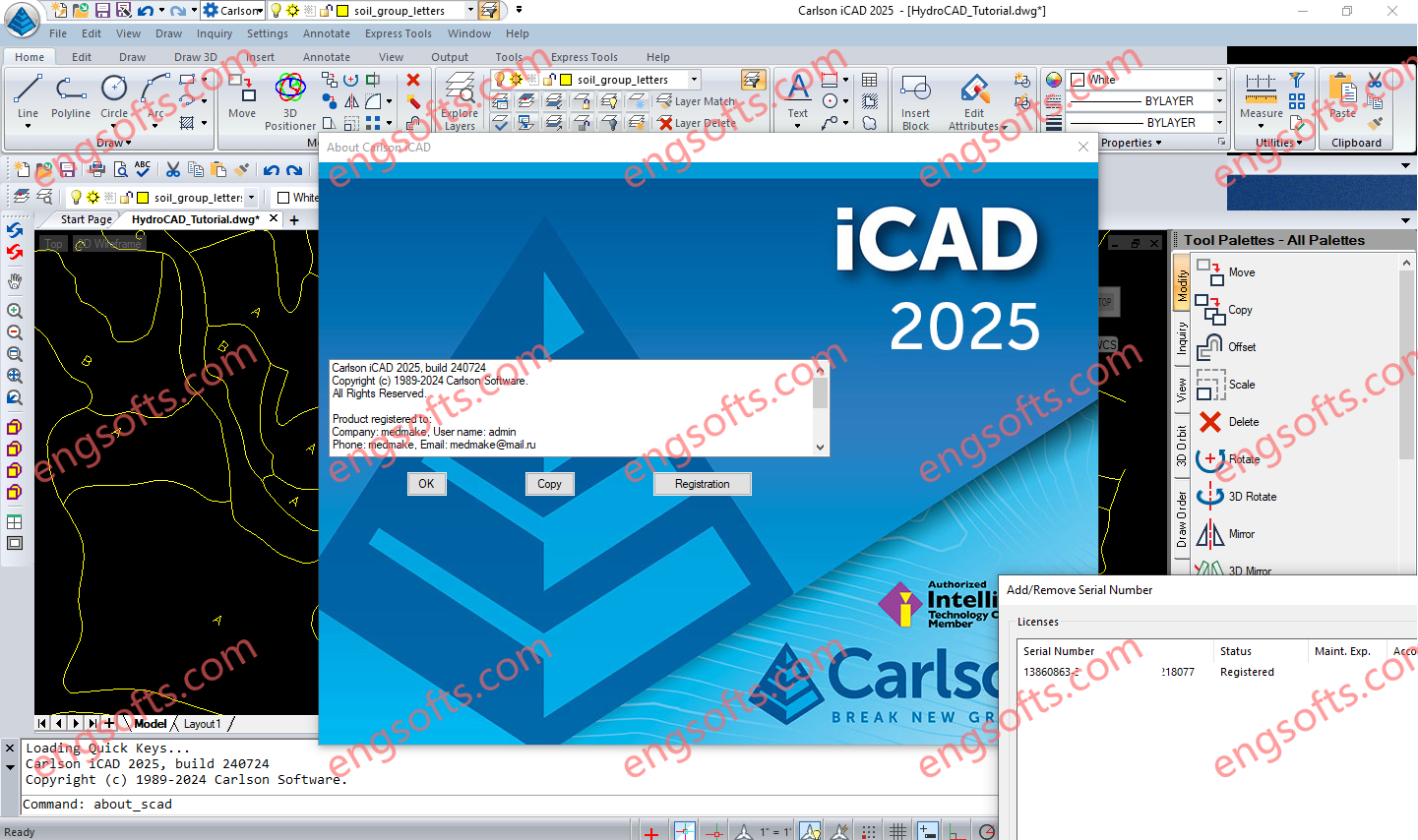
Carlson iCAD is an affordable CAD program that is .dwg file based and designed to fit into your production workflow. Carlson iCAD allows drafters to finish drawings and engineers to review drawings. Carlson iCAD 2025 Tested Picture Carlson iCAD allows drafters to finish drawings and engineers to review drawings. Key Features 2D and 3D CAD package Works with both .dwg and .dgn files Built on IntelliCAD® 11 engine Carlson Software drafting and annotation tools Perpetual license Free tech support General Open/Save .dwg, .dgn and .dxf files: Supports 2017 and earlier formats Import/Export: Transfer other format models including .pdf, .iges and .step Plot: Output to printers and PDF Google Earth: Import and Export KML/KMZ Civil 3D: Convert Civil 3D custom objects to...
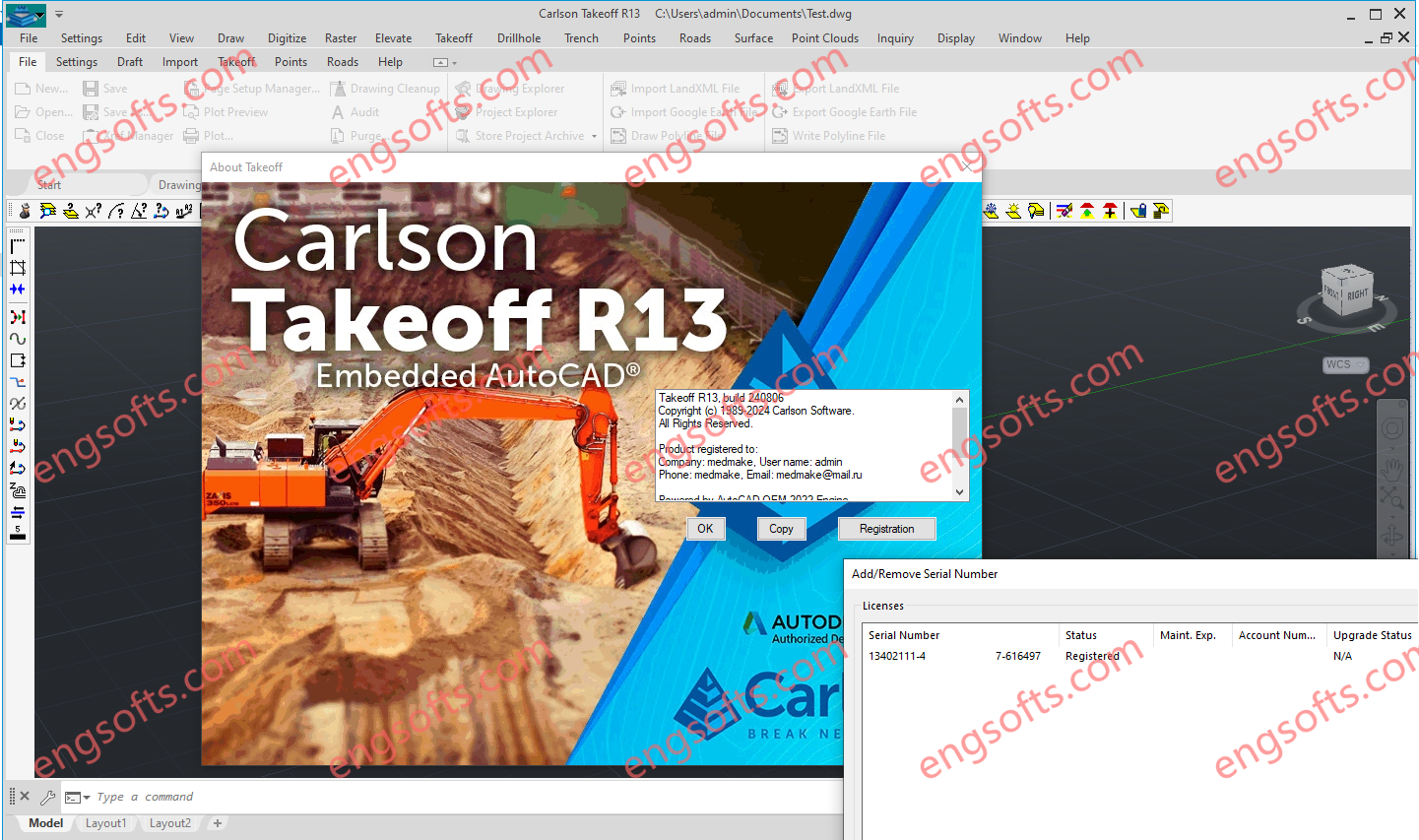
Carlson Takeoff with embedded AutoCAD (OEM) includes the same functionality as the Takeoff Suite and modules Carlson Construction, Carlson CADnet, Carlson GeoTech & Carlson Trench except that it includes an embedded version of the current AutoCAD OEM software and different menu configuration. Carlson Construction serves as the cornerstone of Carlson’s suite for contractors, offering comprehensive volume reporting and visualization tools to ensure accurate project management. Carlson Takeoff Suite R13 Tested Picture With features like 3D Drive Simulation and seamless integration with CAD platforms, Carlson Construction streamlines road construction and facilitates seamless transition to fieldwork, ensuring precise stakeout and machine control implementation. Carlson CADnet empowers users to seamlessly transform non-CAD documents like PDFs and raster images into CAD format, with tools for cleaning...
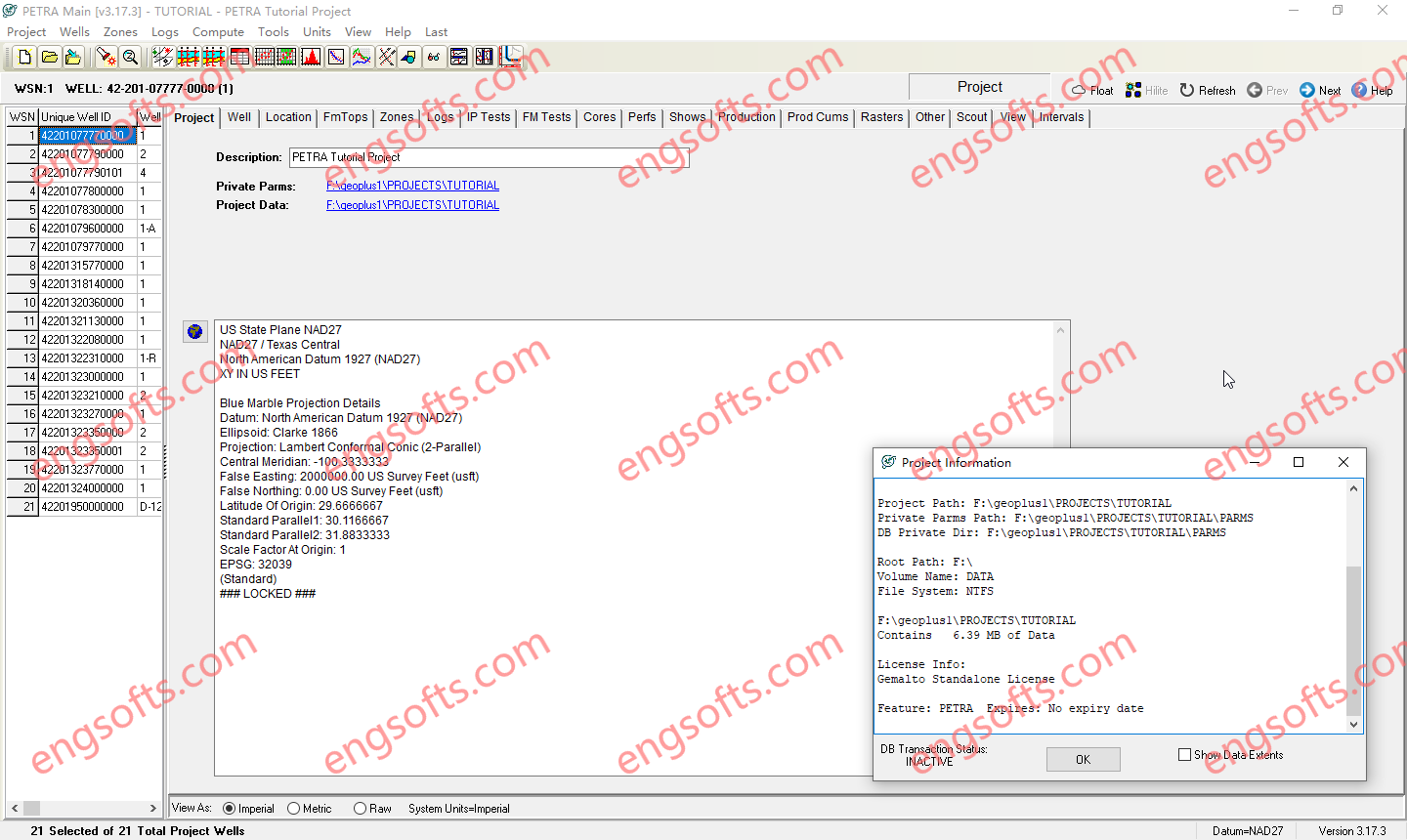
Petra is a cost-effective software solution for managing, manipulating and visualizing integrated geological, geophysical and engineering data. Geologists, engineers, technicians and analysts use Petra for exploration, exploitation, infill drilling, reserves analysis, unconventional plays, production analysis and more. With Petra, you can quickly visualize results using mapping, cross-sections, seismic interpretations, log plots, cross-plots, production and reservoir analysis, and 3D visualization. To maximize your subscription, S&P Global offers technical support as well as Petra training courses at select locations and on site, by request. IHS Petra v3.17.3 Tested Picture Key features of the Mapping Module include: Integrate surface land picture into your subsurface interpretations Post digital/raster log curves and production data to well location Create and customize contour and bubble maps Display...
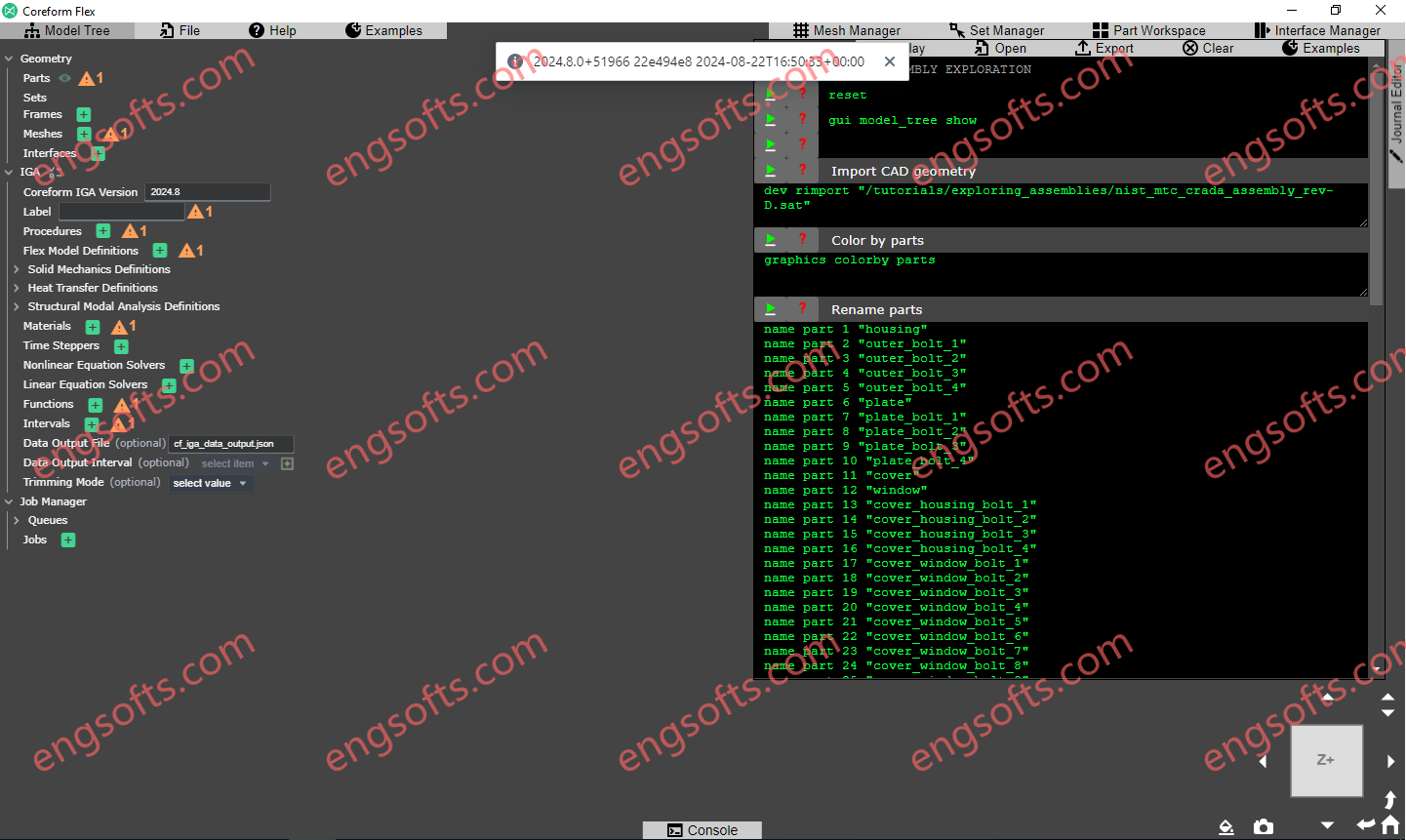
Coreform Flex harnesses Coreform’s patent-pending isogeometric analysis (IGA) technology to eliminate the need for meshing and defeaturing. Now, projects that used to take months can be accomplished in weeks or even days. Coreform Flex 2024.08 Tested Picture Coreform Flex updates include user experience enhancements, an improved Python interface, improved Flex meshing, new import/export capabilities to Coreform Flex Preprocessor, and the introduction of a number of beta features to Coreform Flex Solver. Read more.
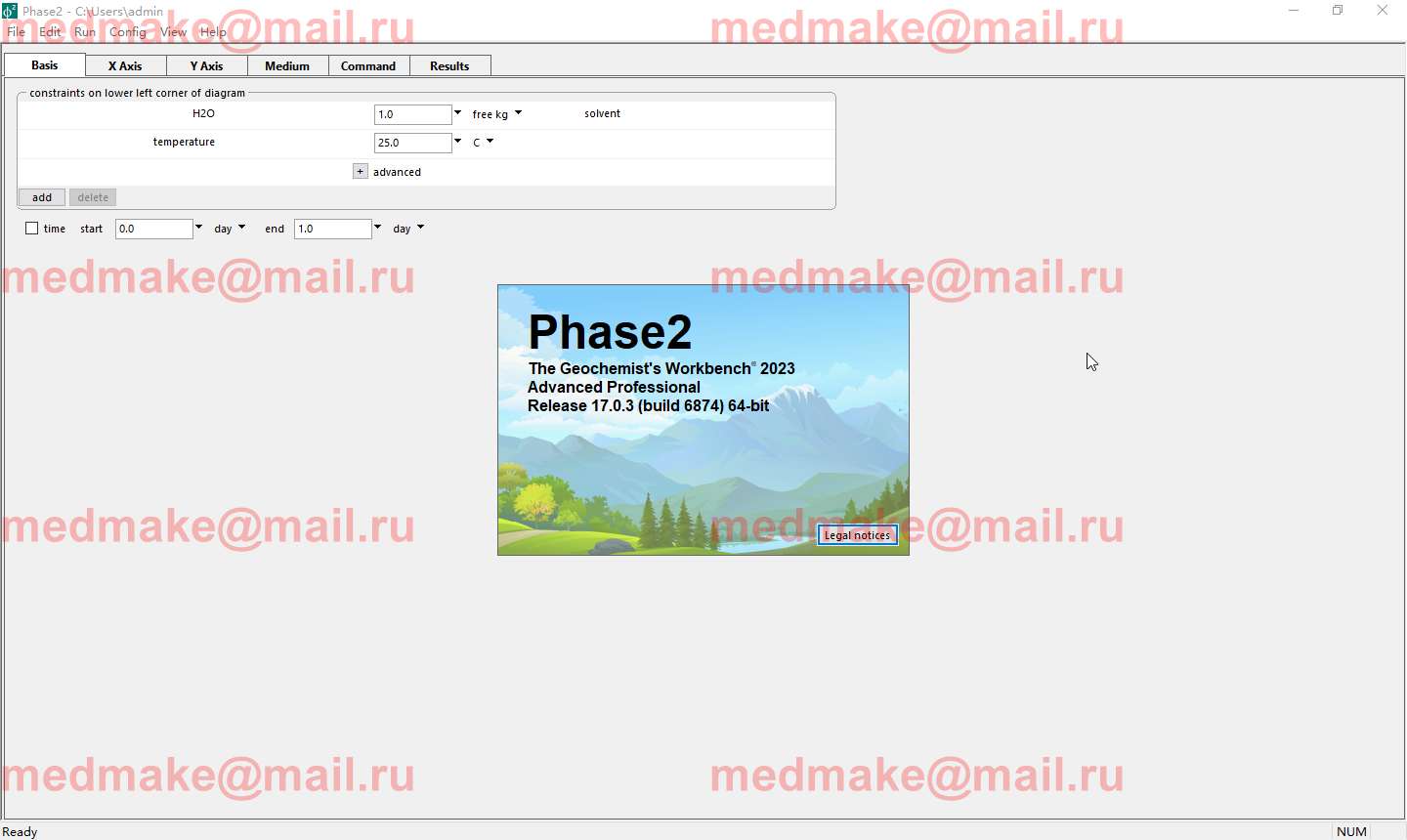
The Professional edition of The Geochemist’s Workbench 2023 is the complete suite of tools to meet every practicing geochemist’s needs. GWB Pro is your choice for computing phase diagrams and modeling reactive transport. One-dimensional and two-dimensional simulations of reactive transport in single and dual-porosity media, including bioreaction, stable isotopes, and migrating colloids, are a snap. Then animate your results and create video clips with a few clicks. Geochemist’s WorkBench(GWB) Professional 2023 v17.0.3 Tested Picture GWB Pro’s advanced algorithms and multithreaded design make it ideal for simulating the fate and transport of contaminants in flowing ground and surface water. In addition to reactive transport, GWB Pro models kinetic and equilibrium reaction in multicomponent systems, calculates Eh-pH and activity diagrams, and creates a spectrum of specialty plots. You can balance reactions, calculate equilibrium constants,...
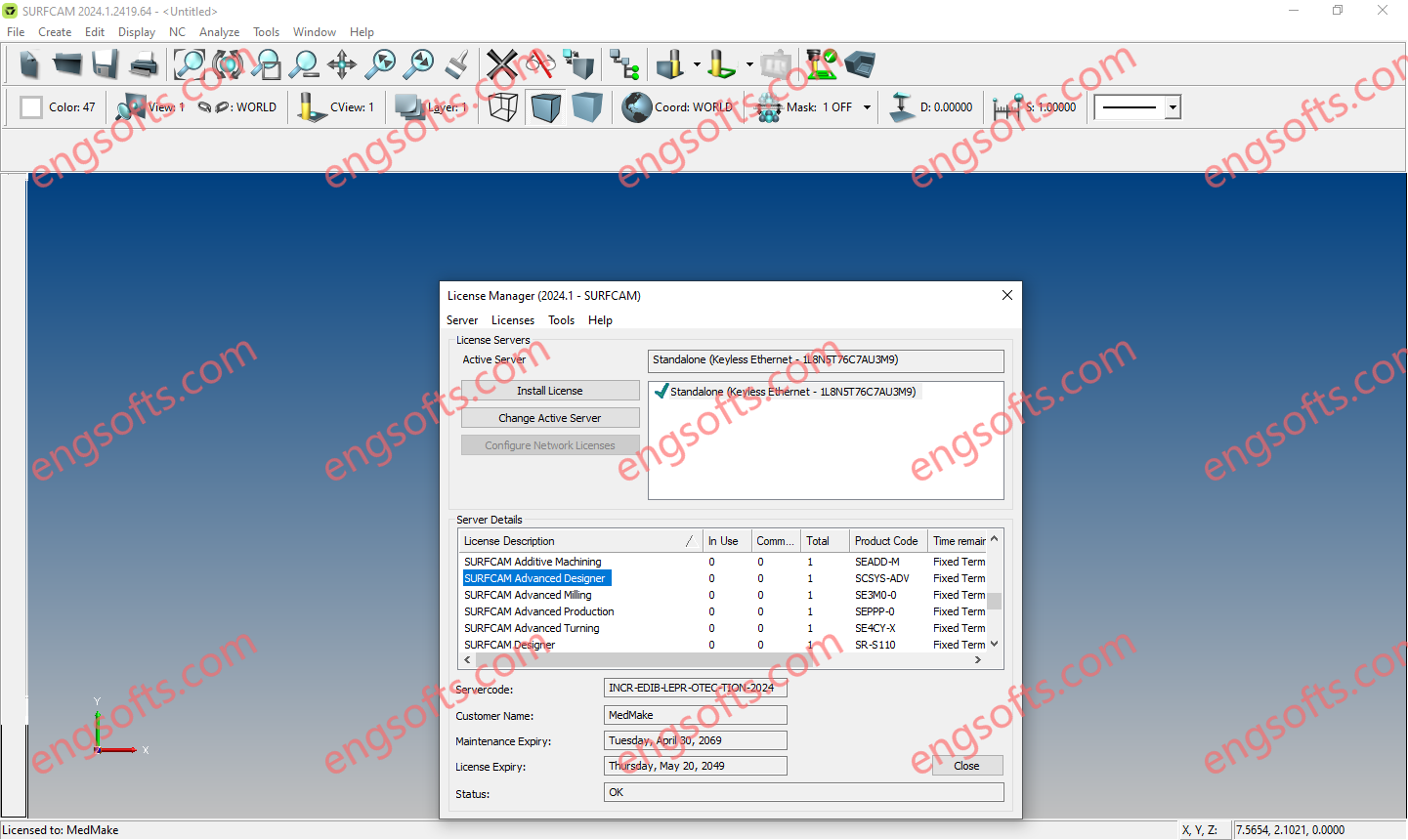
SURFCAM is a CAD CAM system capable of creating efficient and reliable 2D through to 5-axis milling toolpaths. Hexagon Surfcam 2024.1 Tested Picture SURFCAM 2 Axis SURFCAM’s 2-axis system is the most cost-effective, high-performance CAM package with a full library of toolpath strategies. SURFCAM 3 Axis SURFCAM’s 3-axis system provides the combination of powerful functionality coupled with ease of use. SURFCAM 4/5 Axis SURFCAM offers true simultaneous 4- and 5-axis machining with full tool-motion visualisation and verification. SURFCAM Lathe SURFCAM Lathe provides control over every aspect of your turning requirements from roughing to final finish. SURFCAM Wire EDM SURFCAM Wire EDM contains three unique strategies designed to meet a variety of Wire EDM requirements. SURFCAM Post Processors SURFCAM supports a...
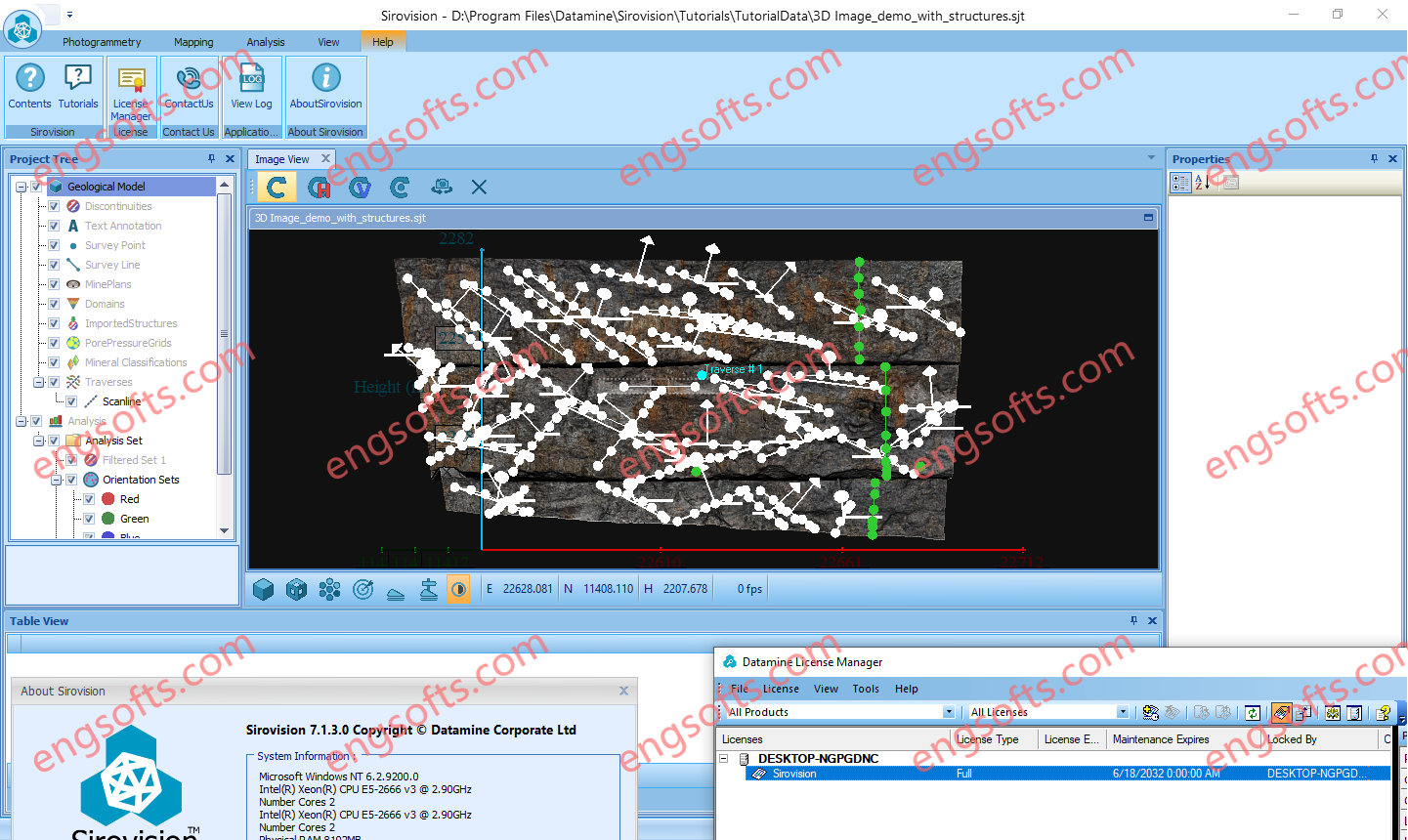
Sirovision is a geological / geotechnical mapping and analysis system that generates accurate, scaled 3D images of rock faces from stereo photographs taken in either open pit or underground environments. Sirovision allows mining professionals to quickly and accurately: Datamine Sirovision 7.1.3 Tested Picture Map structures daylighting at the surface to automatically determine their properties Automatically detect simple wedge and complex block features resulting from the structures Perform analyses to determine the failure risk Increase productivity and safety
SimManager is fully capable of helping companies leverage their most valuable engineering experts in the most efficient way, focused directly on meeting the complex needs of those working in simulation. It establishes and standardizes industry best practices, ensuring simulation quality is rigorously maintained. SimManager 2024.1, Simulation Process and Data Management (SPDM) solution helping markets across industries bring together people, process, and technology to streamline simulation operations. SimManager 2024.1 introduces a number of new features and enhancements, including: User Interface (UI) Improvements Enhanced Tag Management: Users can now delete and edit tags. A new API for managing tags has been introduced. New Chart Types: Parallel Coordinates chart for visualizing large datasets. Table chart for displaying numeric properties of seeds. Whiteboard Enhancements:...
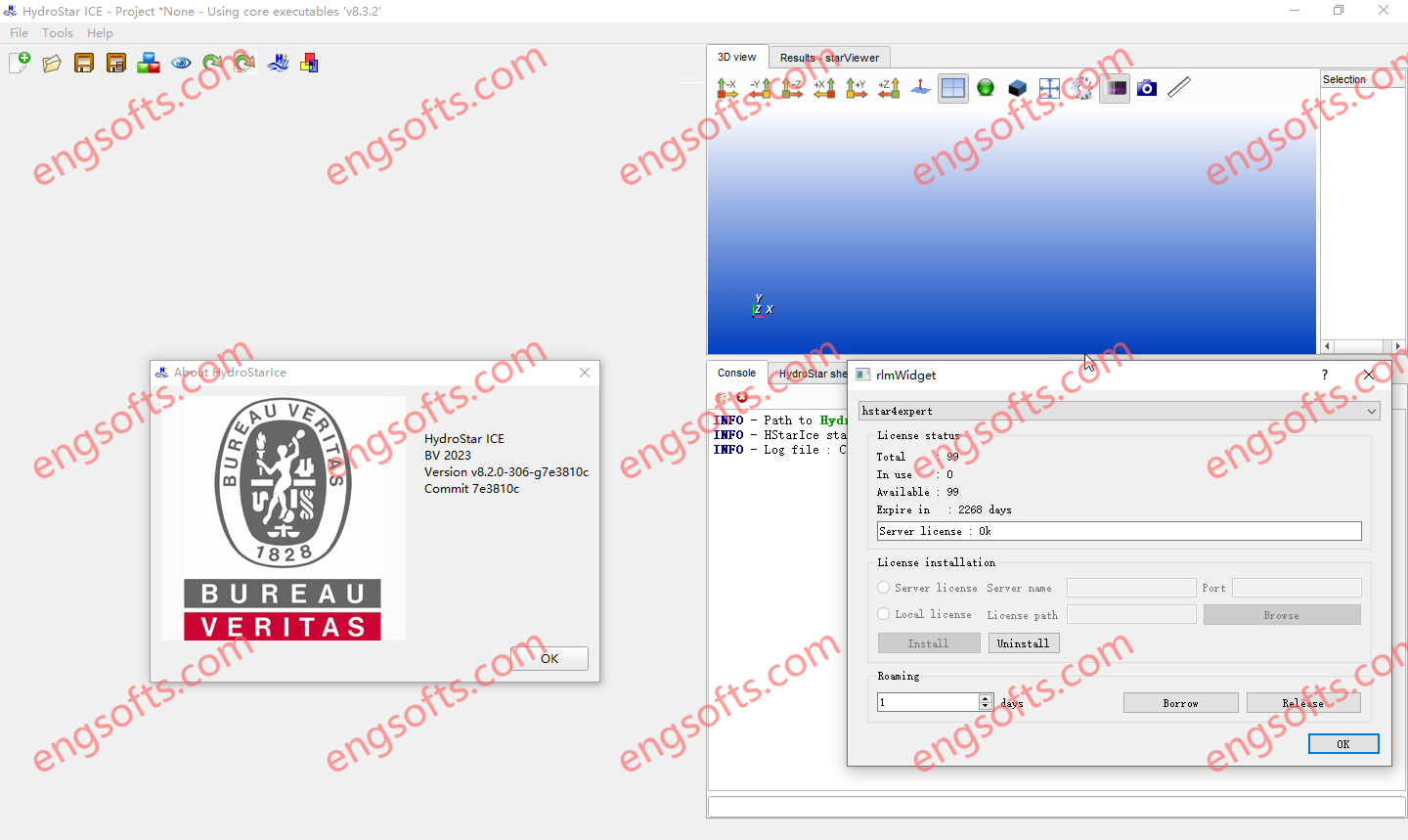
Hydrostar is a powerful 3D diffraction/radiation software based on potential theory for wave-body interactions. It takes into account multi-body interaction, effects of forward speed and internal liquid motions. Bureau Veritas HydroStar 2024 v8.3.2 Tested Picture Hydrostar has been extensively tested and validated through comparison with semi-analytical studies, numerical results from recognized tools and experimental data. It was conceived to enhance an asset’s technical excellence and productivity. The software provides numerous advantages and functionalities to meet high-level requirements, including: Dynamic coupling between liquid motions in internal tanks and ship motions Generalized modes calculation: Hydrostar can solve the hydro-dynamic problem on user-defined modes Side-by-side configuration as the software handles multi-body interactions